
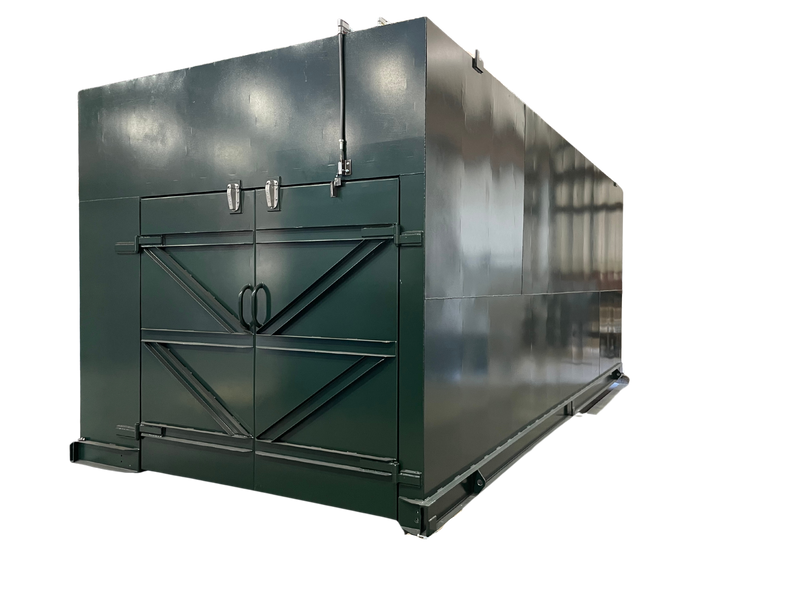
Selecting an industrial oven manufacturer isn’t just a purchasing decision; it’s a long-term strategic investment. The right partner ensures your equipment meets your application requirements, supports your production goals, and performs reliably for years to come. The wrong choice, however, can result in costly downtime, engineering setbacks, and expensive retrofits.
This blog outlines the key considerations for selecting the best industrial oven companies, along with examples and insights to help you make a confident and informed decision.
Why Manufacturer Selection Matters
Long-Term Partnership vs. One-Time Purchase
Industrial ovens aren’t commodity products; they’re engineered systems that need to integrate with your specific processes. Because of this, an oven manufacturer becomes more of a long-term partner than a one-time supplier.
A strong manufacturer will:
- Understand your process and heat-treatment goals
- Engineer solutions that grow with your production needs
- Provide accessible support, service, and spare parts
Horizon Performance Technologies, for example, positions itself as a long-term strategic partner by offering responsive engineering teams and accessible live support which is critical to minimizing downtime and maximizing ROI.
Consequences of Choosing the Wrong Manufacturer
Working with the wrong supplier can result in:
- Rejected or inconsistent product quality
- Inability to reach required temperatures or uniformity
- Slow service response times
- Costly aftermarket modifications
If, for instance, a facility purchases a low-cost oven lacking airflow temperature uniformity, they may later find it impossible to maintain consistent curing or drying. Fixes may require redesigns that far exceed the initial price savings.
Define Your Specifications Before Evaluating Manufacturers
Before beginning oven manufacturer selection, be clear on what you need. Consider:
- Required operating temperature range
- Internal workspace and load capacity
- Material handling needs (racks, conveyors, carts)
- Heat source preferences (electric, gas, other)
- Desired uniformity and recovery times
A manufacturer such as Horizon can help refine these specifications, but entering the conversation with baseline requirements allows for more accurate comparisons and quotes.
Essential Criteria for Evaluating an Industrial Oven Supplier
Customization Capabilities
Some manufacturers specialize in off-the shelf ovens, while others excel at custom solutions. If your process demands a unique size, or integrated equipment, prioritize partners with deep custom engineering experience.
Construction and Materials
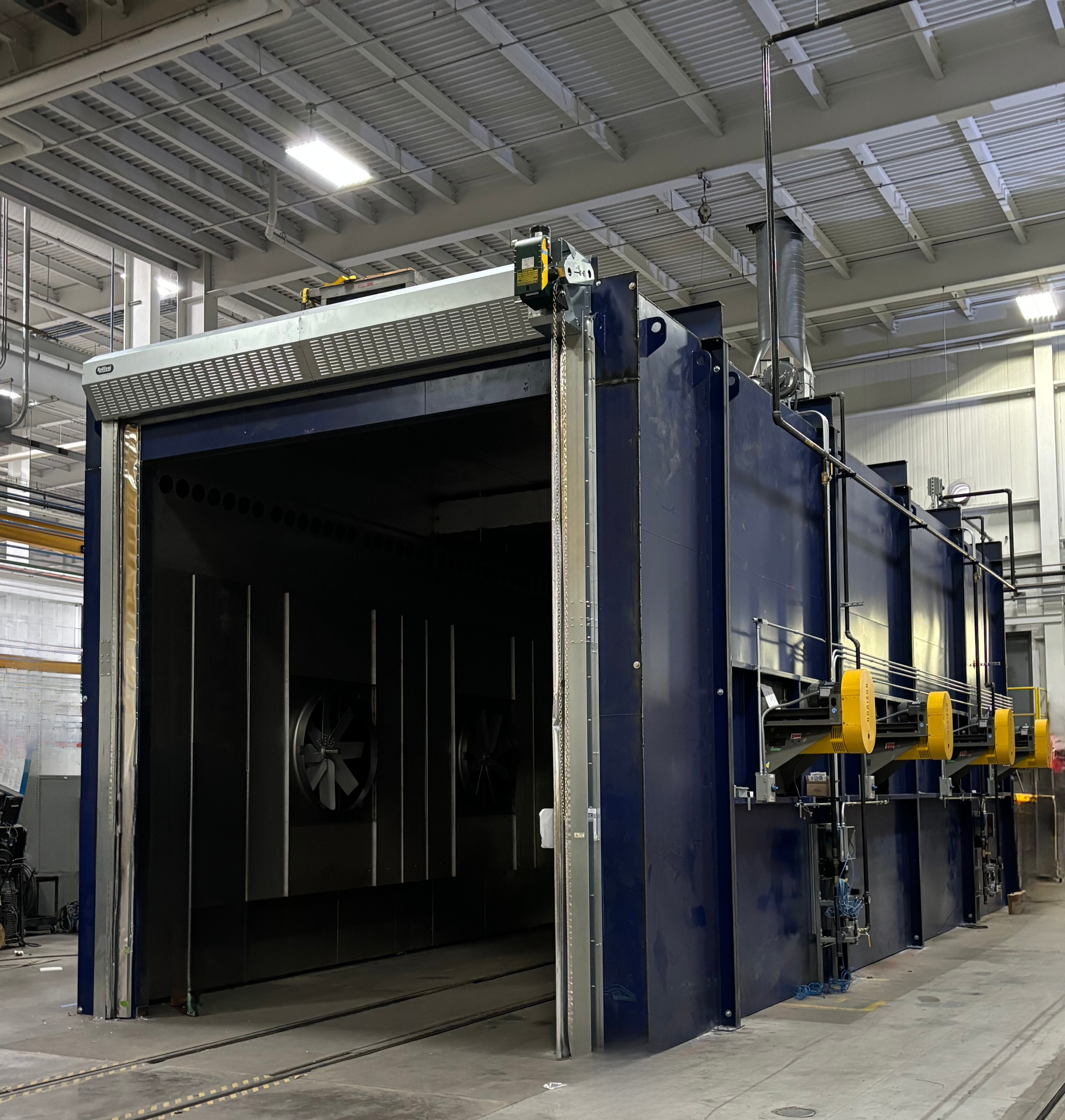
Look for manufacturers that prioritize durable materials, precise fabrication, and robust insulation. Quality construction like Horizon’s welded exterior, reduces heat loss, improves efficiency, and extends equipment life.
Engineering and Design Expertise
The best manufacturers provide:
- In-house engineering teams
- Process modeling
- Airflow simulations
- Precise documentation
- Experience working across industries (automotive, aerospace, manufacturing, etc.)
Service and After-Sale Support
A great oven is only as good as the support behind it. When evaluating manufacturers, consider:
- Responsiveness to technical questions
- Availability of service technicians
- Lead times for repairs
- Quality of training and manuals
Horizon emphasizes live support, which can be particularly valuable during commissioning or troubleshooting.
Spare Parts Availability
Downtime is costly. Ask whether the manufacturer:
- Stocks critical components
- Offers fast shipping
- Has an online parts store
- Supports both current and legacy models
Horizon’s inventory of more than 11,500 parts is an example of how manufacturers can help facilities reduce unplanned downtime.
Technical Evaluation Factors
Temperature Requirements
Ensure the oven can reliably reach and maintain your desired operating temperature, whether it’s 200°F for drying or 1000°F for high-temperature heat treatment.
Heat Source Options
Common sources include:
- Electric
- Gas (direct or indirect fired)
- Infrared
- Steam
The best choice depends on operating cost, energy availability, and application.
Space Requirements
Consider floor space, ceiling height, and clearances for service access. Some manufacturers can reconfigure designs to fit within tight footprints.
Digital Temperature Control
Modern ovens should feature PLC controls, data logging, and recipe management. Evaluate these factors:
- Interface usability
- Integration with plant systems
- Remote monitoring options

Uniformity and Performance Verification
Check whether the manufacturer performs uniformity testing or can provide temperature maps.
Financial Considerations
Evaluating manufacturers through a financial lens means looking beyond purchase price. Consider the total cost of ownership (TCO), including operating costs, maintenance, efficiency, and long-term reliability.
When choosing oven manufacturers, look at:
Warranty Strength and Coverage
Longer, more comprehensive warranties often signal confidence in engineering quality and durability.
Maintenance Costs and Frequency
Ask what typical upkeep looks like, how often parts need replacing, and what annual maintenance costs you can expect.
Energy Efficiency
Ovens with optimized airflow, high-quality insulation, and efficient heat sources can reduce energy usage by thousands of dollars per year.
Lead Time Reliability
Missed delivery dates can stall production upgrades. Manufacturers with stable supply chains and proven delivery track records reduce financial and operational risk.
Lifecycle Cost
Highter quality ovens may cost more upfront but often deliver better performance, fewer repairs, and reduced downtime, resulting in a lower overall cost across the equipment’s life.
A thoughtful financial evaluation balances the initial investment with long-term value, performance stability, and predictability.
Business & Operational Considerations
Beyond cost, the manufacturer’s operational alignment with your business is essential. Consider these points:
Industry Experience
A manufacturer familiar with your specific market will better understand compliance needs, temperature requirements, and common process challenges.
Technical Documentation
Clear drawings, installation guides, wiring diagrams, and maintenance documentation reduce mistakes during commissioning and operation.
Future Scalability
If you anticipate growth or automation upgrades, choose industrial oven vendors who offer modular options, integration with robotics or conveyors, and flexible control systems. Upon request, Horizon can design ovens with expandability in mind, supporting growing production needs.
After-sale Support
Responsive service, live technical support, and readily available parts help avoid extended downtime. Manufacturers with support infrastructure like Horizon tend to provide a more stable long-term partnership.
Strong Internal Project Management
Another great advantage, manufacturing that assigns dedicated project management helps streamline communication, ensure accountability, and deliver smoother installations.

Sustainability & Environmental Impact
For organizations with sustainability initiatives, selecting an oven manufacturer that supports environmental goals can reduce both emissions and operating costs. Industrial ovens consume considerable energy, making engineering efficiency a critical component of carbon reduction.
Key sustainability factors to consider include:
Energy-Efficient Engineering
High performance insulation, efficient burners or electric elements, and optimized airflow all reduce energy consumption.
Eco-Friendly Heat Sources
Electric ovens powered by renewable energy or ultra-efficient gas systems can significant lower your overall carbon footprint.
Smart Controls
Precision temperature control, automatic idle modes, and optimized cycle logic reduce wasted heat and unnecessary energy use.
Sustainable Materials & Processes
Look for manufacturers using recycled steel, low-VOC coatings, or environmentally responsible fabrication methods.
Upgrade & Retrofit Options
Retrofitting existing ovens with new insulation, burners, or controls can drastically reduce energy demand without requiring a complete equipment replacement.
The best industrial oven manufacturers, like Horizon, that prioritize efficiency and offer modernization options can help facilities meet sustainability goals without compromising production quality.
Reference Checking and Due Diligence
Ask for:
- Case studies
- Customer references
- Industry-specific examples
- Past project photos or documentation
Speaking with other customers can reveal key insights about service responsiveness and overall company reliability.
Red Flags to Avoid
Be wary of manufacturers who:
- Can’t provide clear drawings or documentation
- Have long or unpredictable service response times
- Offer unclear warranty terms
- Have limited experience with your industry
- Avoid discussing airflow, uniformity, or engineering details
- Provide vague or overly optimistic lead times
Questions to Ask Potential Oven Manufacturers
- What industries do you specialize in?
- Can you provide drawings and specs early in the process?
- What customization options are available?
- How do you ensure temperature uniformity?
- What is your typical lead time?
- What does your after-sales support look like?
- How quickly can you ship spare parts?
- Do you offer installation, training, or commissioning?
- Can you provide references for similar projects?
Summary
Choosing the right industrial oven manufacturer requires evaluating engineering expertise, customization capabilities, service support, technical performance, and overall business stability. An oven is an investment that directly affects production efficiency, product quality, and long-term operating costs. Horizon Performance Technology is one of the leading companies in this space, specializing in custom-engineered industrial ovens and thermal processing equipment designed for demanding production environments. Patented airflow technology makes it the right choice for manufacturers looking to improve productivity while saving on energy and resources.